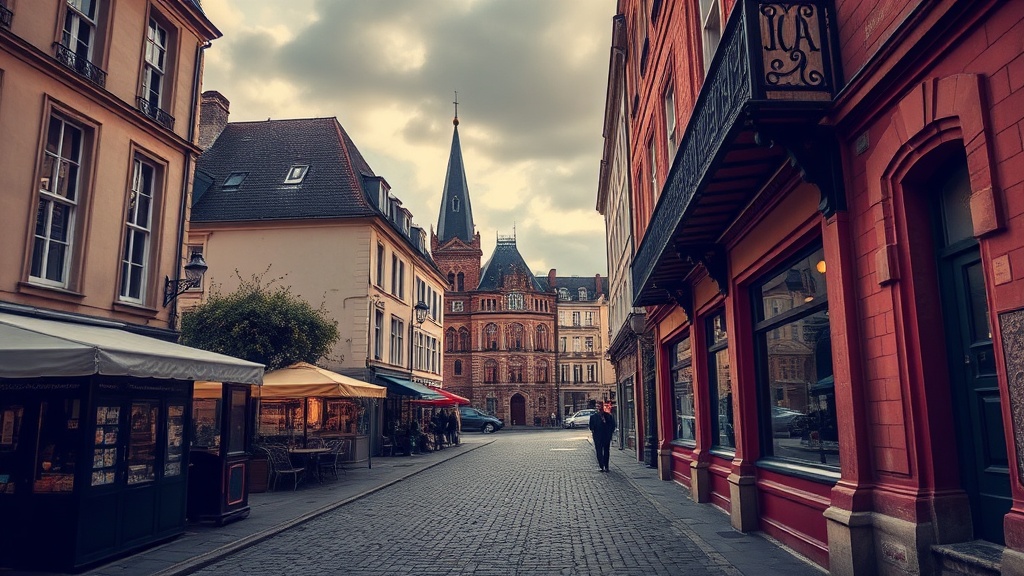
Uncovering the Echoes of Sorel-Tracy's Built Environment

Ever wondered about the stories etched into Sorel-Tracy’s older buildings—the ones that stand quietly, often overlooked, yet hold centuries of local history? It’s easy to walk past a venerable stone structure or a charming Victorian home without truly seeing the narratives they tell about our community's past, its growth, and the people who shaped it. This piece will explore the distinctive architectural heritage that gives Sorel-Tracy its unique character, showing you how to spot these historical treasures and appreciate their enduring significance. Understanding our built environment adds a rich layer to our daily lives here, offering a tangible connection to generations gone by.
What Architectural Styles Define Sorel-Tracy's Past?
Sorel-Tracy boasts a fascinating blend of architectural styles, a direct reflection of its long history as a strategic port town and industrial hub. From the robust, practical forms of early colonial structures to the more ornate flourishes of later periods, our city is a living museum if you know where to look.
You'll find remnants of French Colonial architecture, particularly in some of the oldest sections near the waterfront. These buildings often feature thick stone walls, typically fieldstone or cut grey stone, providing excellent insulation, both from winter's bite and summer's heat. Their steep, often bell-cast roofs, designed to efficiently shed heavy snow, frequently incorporate dormer windows—small, charming openings that add light to upper stories and break the roofline’s expanse. A pragmatic simplicity designed for harsh Quebec winters and functional living guided their construction; they weren't about grand statements, rather, they were about survival, utility, and building to last for generations. These early structures truly embody a resilient spirit.
As the 19th century progressed, British influence brought new styles, particularly after the War of 1812 and with increased trade. Neo-classical elements—think symmetrical facades, often with a central entrance flanked by evenly spaced windows, prominent porticos, and balanced proportions—began to appear, especially in public buildings and wealthier residences. These often convey a sense of order, stability, and civic pride, reflecting the prevailing tastes of the time. Then came the Victorian era, a period of immense growth and rapid change for Sorel-Tracy, which introduced a much wider array of styles reflecting newfound prosperity and a desire for individuality. You might spot Queen Anne Revival homes with their charmingly asymmetrical designs, often featuring turrets or towers, bay windows that jut out invitingly, and a delightful mix of textures like decorative shingles, clapboard, and brick. Or perhaps Italianate structures, characterized by low-pitched roofs, wide, overhanging eaves supported by decorative brackets, and sometimes even belvederes—small, roofed structures offering panoramic views. These homes often feel quite expressive, a vibrant departure from the earlier, more reserved designs, showcasing a newfound freedom in architectural ornamentation. The Gothic Revival style, too, had its moments, especially in church architecture, with pointed arches and soaring spires reaching skyward.
Where Can You Find Sorel-Tracy's Best Preserved Historical Buildings?
If you're eager to experience Sorel-Tracy's architectural narrative firsthand, several areas offer exceptional examples. The Vieux-Sorel—the old town—is naturally the prime starting point. Wandering its streets, you'll encounter a concentration of older homes and commercial buildings. Pay attention to Rue du Roi, for instance, where you can discern various styles from different eras, sometimes even side-by-side. The area around Place de l'Hôtel-de-Ville also presents a collection of historically significant structures, including the city hall itself, which often showcases a dignified, classical influence.
The churches of Sorel-Tracy are also architectural anchors, many featuring impressive designs that speak to the community’s spiritual and social history. Église Saint-Pierre, for example, stands as a prominent landmark, its architecture evolving through different construction phases but always commanding attention. Its scale and detailing are certainly worth a closer look. The intricate stained glass, the imposing bell towers, and the carefully crafted interior elements all contribute to a sense of reverence and historical continuity.
Don't overlook the residential streets slightly removed from the immediate downtown core. Many of Sorel-Tracy’s charming neighborhoods, especially those established in the late 19th and early 20th centuries, hold beautiful examples of Victorian and Edwardian homes. These areas are wonderful for a leisurely stroll, allowing you to appreciate the varied domestic architecture—the ornate gingerbread trim, the inviting front porches, the distinct window treatments that define a particular period. Many of these homes have been lovingly maintained by their owners, preserving their original character and contributing significantly to our city’s visual appeal. For specific addresses and deeper historical context, resources like the Société d'histoire et de généalogie de Sorel-Tracy are invaluable. They often have walking tour guides or archival photos that can truly enhance your understanding of what you're seeing (visit their site for details: