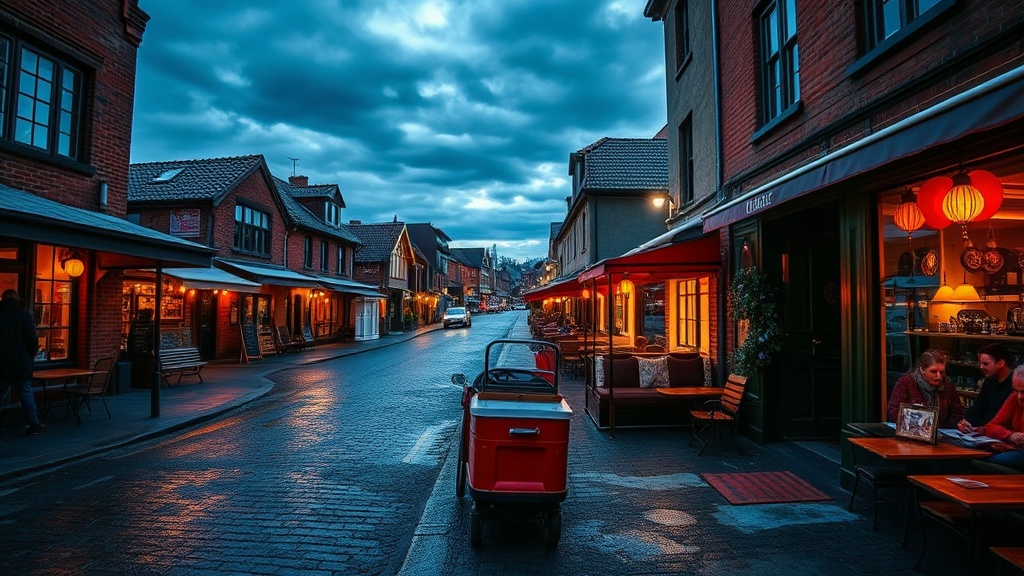
The Complete Sorel-Tracy Local Guide: Hidden Gems and Must-Visit Spots

What Makes Sorel-Tracy Worth Visiting?
Sorel-Tracy delivers an authentic slice of Quebec life that tourists often overlook. This post covers everything from the best smoked meat sandwiches to where you'll catch the most stunning Saint Lawrence River sunsets. Whether you're planning a weekend escape or just moved to the region and want the inside scoop, this guide cuts through the generic recommendations and points you toward the spots locals actually frequent.
The city sits at the confluence of the Richelieu River and the Saint Lawrence, about 100 kilometers northeast of Montreal. That's not just geography trivia — it shapes everything here. The water influences the food, the recreation, even the pace of life. You'll notice it immediately.
Where Can You Find the Best Food in Sorel-Tracy?
The smoked meat at Chez Lionel rivals anything coming out of Montreal delis — and locals will fight you on that claim. The brisket gets steamed for hours, hand-sliced to order, and piled onto rye so generously you'll need a strategy for handling it. Get it "medium" if you want the fat rendered just right.
Seafood dominates most local menus for good reason. The river provides. At Restaurant Le Bordelais, the catch of the day changes based on what the morning boats brought in. The poutine aux fruits de mer (yes, that's a thing here) splits opinions — some find it brilliant, others sacrilegious. You'll have to decide for yourself.
For breakfast, skip the hotel buffet. Le Déjeuner Cosmopolitain opens at 6 AM and fills up with factory workers, retirees, and the occasional hungover twenty-something. The creton on toast tastes like someone's grandmother made it — because someone's grandmother probably did. Coffee comes in ceramic mugs that have survived decades of washing.
Here's the thing about dining in Sorel-Tracy: the best places don't look like much from the outside. That weathered building with the flickering neon sign? That's where the magic happens. The fancy spots with uniformed valets? Stick to Montreal for that.
Local Food Favorites: Quick Comparison
| Spot | Best For | Price Range | Local Tip |
|---|---|---|---|
| Chez Lionel | Smoked meat, poutine | $ | Call ahead — they sell out by 2 PM on weekends |
| Le Bordelais | Fresh seafood, river views | $$ | Request a window table when booking |
| Le Déjeuner Cosmopolitain | Breakfast, diner atmosphere | $ | Cash only — hit the ATM first |
| Pâtisserie La Petite Grèce | Bakery items, coffee | $ | Arrive before 10 AM for the almond croissants |
| Microbrasserie Le Bilboquet | Craft beer, pub food | $$ | The seasonal wheat beer sells out fast |
What Outdoor Activities Should You Prioritize?
The Parc Regard-sur-le-Fleuve offers the best views without requiring serious hiking boots. A paved path runs along the riverbank — accessible for strollers and wheelchairs — with benches positioned at optimal sunset-watching angles. Bring a jacket. The breeze off the water drops the temperature noticeably, even in July.
Kayaking the Richelieu River provides a completely different perspective of the region. Kayak Sorel-Tracy rents equipment by the hour or day, and the staff genuinely care about matching you to the right vessel. Beginners should stick to the calmer sections upstream from the confluence. The current gets tricky where the two rivers meet — experienced paddlers only in that zone.
Birdwatchers, take note. The Refuge faunique Pierre-De Saurel (managed by the Quebec Ministry of Forests, Wildlife and Parks) hosts migratory waterfowl that'll have your camera working overtime. Snow geese arrive in spectacular numbers during spring and fall migration. The observation towers provide elevation without disturbing the habitat.
The catch? Weather changes fast here. That sunny morning can turn into thunderstorms by afternoon. Check forecasts — but more importantly, talk to locals. They read the sky better than any app.
What History and Culture Await in Sorel-Tracy?
The Musée des Beauceronnes tells the story of French-Canadian settlement through artifacts that never feel dusty or distant. The exhibits focus on daily life — kitchen tools, work clothes, children's toys — rather than just the notable figures. You'll leave understanding how people actually lived, not just what dates they died.
Fort Saint-Joseph represents a pivotal piece of colonial history. Built in the 1660s, the site saw battles, trade negotiations, and the complex interactions between French settlers and Indigenous nations. The reconstruction work impresses — they've used traditional methods where possible, so the place smells of woodsmoke and earth rather than interpretive panels and gift shop candles.
The industrial heritage runs deep too. Sorel-Tracy built ships. Lots of them. The Centre des arts de Sorel-Tracy occupies a converted industrial building that honors this legacy while hosting contemporary exhibitions. The juxtaposition works — rusted machinery meets polished gallery floors.
Local festivals punctuate the calendar. The Festival de la Gibelotte celebrates a traditional fish stew that predates refrigeration (you needed to cook the catch quickly). It happens every February, which seems insane until you realize the community warmth matters more than the temperature outside. The Tourisme Montérégie site maintains an updated events calendar if you're planning around specific dates.
Where Should You Stay?
Hotel options center around the downtown core, but don't dismiss the Auberge des Gallant just outside city limits. The property sits on rolling farmland with views that photographs can't capture properly. The restaurant alone justifies the drive — locally sourced ingredients, traditional techniques, zero pretension.
Budget travelers have legitimate options too. Several Airbnb hosts offer rooms in heritage homes — think high ceilings, original woodwork, and mornings where you wake up wondering what decade you've landed in. Read reviews carefully. Some properties charm; others just feel old.
Camping enthusiasts should check Camping Sorel-Tracy along the river. The sites range from rustic (tents, fire pits, shared facilities) to full-service RV pads with hydro and sewage hookups. The waterfront spots book up months in advance for July and August — plan accordingly.
What Should You Know Before Visiting?
French dominates. You'll manage with English at major hotels and tourist spots, but the authentic experiences — the neighborhood restaurant, the farmer's market stall, the corner store — operate primarily in French. A few phrases go a long way. "Je ne parle pas français, parlez-vous anglais?" delivered with a smile opens more doors than you'd expect.
Transportation requires planning. Sorel-Tracy has no train station (the line closed decades ago). The RTL bus service connects to Longueuil, but schedules favor commuters over tourists. A car isn't strictly necessary, but it expands your options dramatically. Parking downtown remains blessedly uncomplicated compared to Montreal.
Worth noting: many businesses close earlier than city-dwellers expect. Don't count on late-night dining or 24-hour convenience stores outside the main commercial strips. This isn't a criticism — it's just how the rhythm works here. People value their evenings.
The best time to visit? That's complicated. Summer delivers the obvious appeal — warm days, river activities, festival season. Fall brings spectacular foliage along the riverbanks and fewer tourists competing for tables. Winter tests your cold tolerance but rewards you with cross-country skiing on frozen waterways and that particular Quebec coziness that only happens when everyone's fighting the same weather together.
Sorel-Tracy doesn't perform for visitors. It simply exists — working, eating, gathering, enduring the winters, celebrating the summers. That authenticity either appeals to you or it doesn't. If it does, you'll find yourself returning. The river has that effect on people.